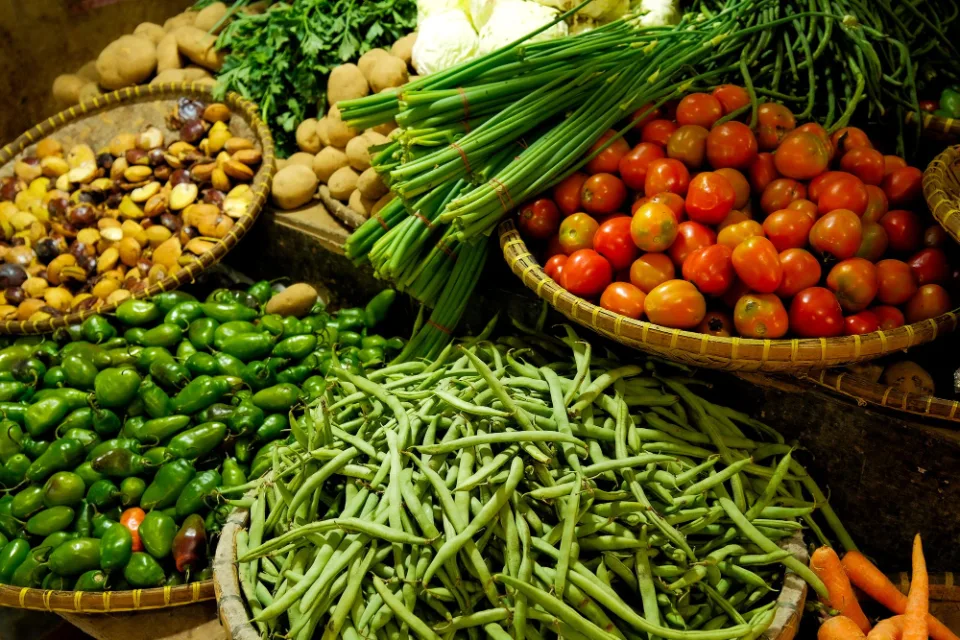
Most food is halal. Fruit, vegetables, grains, bread, rice, pasta, eggs, milk, cheese made without animal rennet, and fish are all fine. What Islam makes haram is a fairly short list: pork, blood, animals that died without being slaughtered, meat dedicated to something other than Allah, and anything that intoxicates. The rest of the work is in the details, mostly about meat and a few hidden ingredients.
When you first become Muslim, food can feel like a minefield, especially if you're reading every label in the supermarket for the first time. It gets much easier within a few weeks. Here's what you need to know, in the order it matters.
Halal is the default
The starting point in Islam is that food is permitted unless there's a reason it isn't. The Quran addresses everyone:
يَـٰٓأَيُّهَا ٱلنَّاسُ كُلُوا۟ مِمَّا فِى ٱلْأَرْضِ حَلَـٰلًا طَيِّبًا وَلَا تَتَّبِعُوا۟ خُطُوَٰتِ ٱلشَّيْطَـٰنِۚ إِنَّهُۥ لَكُمْ عَدُوٌّ مُّبِينٌ ١٦٨
O mankind, eat from whatever is on earth [that is] lawful and good and do not follow the footsteps of Satan. Indeed, he is to you a clear enemy.
Translation: Saheeh International. Recitation: Mishary al-Afasy.
So you're not hunting for a short list of approved foods. You're avoiding a short list of forbidden ones, and choosing what's good.
What the Quran forbids by name
إِنَّمَا حَرَّمَ عَلَيْكُمُ ٱلْمَيْتَةَ وَٱلدَّمَ وَلَحْمَ ٱلْخِنزِيرِ وَمَآ أُهِلَّ بِهِۦ لِغَيْرِ ٱللَّهِۖ فَمَنِ ٱضْطُرَّ غَيْرَ بَاغٍ وَلَا عَادٍ فَلَآ إِثْمَ عَلَيْهِۚ إِنَّ ٱللَّهَ غَفُورٌ رَّحِيمٌ ١٧٣
He has only forbidden to you dead animals, blood, the flesh of swine, and that which has been dedicated to other than Allāh. But whoever is forced [by necessity], neither desiring [it] nor transgressing [its limit], there is no sin upon him. Indeed, Allāh is Forgiving and Merciful.
Translation: Saheeh International. Recitation: Mishary al-Afasy.
That gives you four things:
- Dead animals (carrion): any animal that died by itself or was killed in a way other than proper slaughter. Fish and other sea creatures are treated differently, as you'll see below.
- Blood: blood that flows out at slaughter. The small amount left in properly slaughtered meat isn't a problem.
- Pork: pig meat in every form, including bacon, ham, gammon, pepperoni and lard, and anything made from pig.
- Meat dedicated to other than Allah: an animal sacrificed in the name of an idol or another god.
Another ayah, in Surah Al-Ma'idah (5:3), adds detail on how an animal died, for example by strangling or a violent blow. And alcohol is forbidden separately:
يَـٰٓأَيُّهَا ٱلَّذِينَ ءَامَنُوٓا۟ إِنَّمَا ٱلْخَمْرُ وَٱلْمَيْسِرُ وَٱلْأَنصَابُ وَٱلْأَزْلَـٰمُ رِجْسٌ مِّنْ عَمَلِ ٱلشَّيْطَـٰنِ فَٱجْتَنِبُوهُ لَعَلَّكُمْ تُفْلِحُونَ ٩٠
O you who have believed, indeed, intoxicants, gambling, [sacrificing on] stone alters [to other than Allāh], and divining arrows are but defilement from the work of Satan, so avoid it that you may be successful.
Translation: Saheeh International. Recitation: Mishary al-Afasy.
Every intoxicant is Khamr and every intoxicant is forbidden.
Narrated by Ibn 'Umar. Shortened.
That covers beer, wine, spirits and anything else that intoxicates, in any amount.
Which animals are halal
Cattle, sheep, goats, camels, chicken, turkey, duck, deer and rabbit are halal when properly slaughtered. Pigs, dogs and cats aren't. The Prophet ﷺ also forbade predators:
Allah's Messenger (ﷺ) prohibited the eating of all fanged beasts of prey, and all the birds having talons.
Narrated by Ibn 'Abbas.
So lions, wolves, eagles and hawks are off the menu, which in practice rarely comes up at a supermarket.
Meat: how it's slaughtered
For meat to be halal, the animal has to be slaughtered properly: a Muslim (or, for most scholars, a Jew or Christian) cuts the throat with a sharp blade, the blood flows out, and Allah's name is mentioned. Most scholars hold that mentioning Allah's name is required when the slaughterer remembers to, and the Shafi'i school holds it's strongly recommended rather than required.
In practice, in the UK, US, Canada and Australia, most new Muslims buy meat from a halal butcher or halal-labelled products in supermarkets. Halal certification bodies exist in each country, and they don't all agree on every detail, such as whether animals can be stunned before slaughter. If you want to understand those debates, ask your imam which certifiers your mosque trusts.
Meat from Jews and Christians
The Quran allows the food of the People of the Book, the Jews and Christians:
ٱلْيَوْمَ أُحِلَّ لَكُمُ ٱلطَّيِّبَـٰتُۖ وَطَعَامُ ٱلَّذِينَ أُوتُوا۟ ٱلْكِتَـٰبَ حِلٌّ لَّكُمْ وَطَعَامُكُمْ حِلٌّ لَّهُمْۖ وَٱلْمُحْصَنَـٰتُ مِنَ ٱلْمُؤْمِنَـٰتِ وَٱلْمُحْصَنَـٰتُ مِنَ ٱلَّذِينَ أُوتُوا۟ ٱلْكِتَـٰبَ مِن قَبْلِكُمْ إِذَآ ءَاتَيْتُمُوهُنَّ أُجُورَهُنَّ مُحْصِنِينَ غَيْرَ مُسَـٰفِحِينَ وَلَا مُتَّخِذِىٓ أَخْدَانٍۗ وَمَن يَكْفُرْ بِٱلْإِيمَـٰنِ فَقَدْ حَبِطَ عَمَلُهُۥ وَهُوَ فِى ٱلْـَٔاخِرَةِ مِنَ ٱلْخَـٰسِرِينَ ٥
This day [all] good foods have been made lawful, and the food of those who were given the Scripture is lawful for you and your food is lawful for them. And [lawful in marriage are] chaste women from among the believers and chaste women from among those who were given the Scripture before you, when you have given them their due compensation, desiring chastity, not unlawful sexual intercourse or taking [secret] lovers. And whoever denies the faith - his work has become worthless, and he, in the Hereafter, will be among the losers.
Translation: Saheeh International. Recitation: Mishary al-Afasy.
Scholars agree this includes their slaughtered meat, when it's slaughtered properly. Where they differ is whether ordinary supermarket meat in Western countries today counts, given modern methods and the question of whether God's name is mentioned. Some scholars accept it; many advise sticking to halal-certified meat. Kosher meat is accepted by many scholars. This is a genuine difference of opinion, so follow your mosque or a scholar you trust.
When you don't know how it was slaughtered
This exact question came up with people who were new to Islam in the Prophet's ﷺ time:
A group of people said to the Prophet, "Some people bring us meat and we do not know whether they have mentioned Allah's Name or not on slaughtering the animal." He said, "Mention Allah's Name on it and eat." Those people had embraced Islam recently.
Narrated by 'A'ishah.
Scholars apply this to meat from Muslims or from people whose slaughter is acceptable, where you're only unsure of the details. It doesn't turn pork or clearly non-halal meat into halal food. And don't interrogate a Muslim host about their chicken.
Fish and seafood
Fish don't need slaughtering. The Prophet ﷺ said about the sea:
Its water is pure and what dies in it is lawful food.
Narrated by Abu Hurairah. Graded sahih by al-Albani. Shortened.
The Maliki, Shafi'i and Hanbali schools take this broadly, so most sea creatures, including prawns, crab and squid, are halal for them. The Hanafi school limits it to fish, and Hanafis differ among themselves about prawns. If you follow a Hanafi mosque, ask.
Hidden ingredients
This is where labels come in. The common ones to look out for:
- Gelatin: in sweets, marshmallows, some yoghurts and desserts. If it's from pork, avoid it. Gelatin from halal-slaughtered animals or from fish is fine. Scholars differ on gelatin from non-halal beef and on whether processing changes it, so many people avoid it unless it's labelled halal, fish or plant-based.
- Rennet and enzymes in cheese: vegetarian rennet is fine. Animal rennet from non-halal animals is a point scholars differ on, and many choose vegetarian cheese to be safe.
- Alcohol in cooking: wine in sauces, beer batter, cakes soaked in spirits. Avoid these.
- Alcohol in flavourings: some flavourings, like vanilla extract, use a little alcohol as a carrier. Scholars differ on these trace amounts; many allow them because they don't intoxicate, others avoid them.
- Lard and pork fat: in some pastry, biscuits, refried beans and baked goods. Check the label.
- E-numbers: most are plant-based or synthetic, but a few can be animal-derived. Halal certification or a vegetarian label saves you looking each one up.
Eating out, and eating with family
- Vegetarian and fish dishes are usually the easy option at restaurants, as long as they're not cooked in wine or with bacon.
- Fast-food chains vary by country and even by branch: the same brand can be halal-certified in one country and not in another. Check the specific branch, not the brand.
- At family dinners, you can eat the vegetables, bread, salads and anything without pork or alcohol, and bring a halal dish to share. Most families adjust once they understand. The Halal Food course has a whole lesson on eating with non-Muslim family and friends.
- Alcohol at the table is a common question. The Prophet ﷺ warned against sitting at a table where wine is being served (Jami' at-Tirmidhi 2801, graded hasan by Darussalam), so many Muslims leave or ask for it to be kept off their table. Family situations take wisdom; talk to someone you trust about yours.
Starting this week
- Clear out anything with pork or alcohol from your kitchen.
- Find a halal butcher or a halal section in your supermarket.
- Check your regular sweets, yoghurt and cheese for gelatin and rennet.
- Say Bismillah before you eat. The Prophet ﷺ taught a child at his table to "Mention the Name of Allah and eat with your right hand" (Sahih al-Bukhari 5376).
Our course Halal Food: A Beginner's Guide goes through all of this properly: what the Quran forbids, which animals are halal, how slaughter works, meat from Jews and Christians, gelatin, rennet and enzymes, reading labels, and eating with non-Muslim family. The first chapter is free. If you've just taken your shahada, our first-week guide covers food alongside everything else.
Questions people ask
What are the four forbidden foods in Islam?
The Quran (2:173) names dead animals, blood, pork, and meat dedicated to other than Allah. Alcohol and anything that intoxicates are forbidden separately (5:90).
Is chicken halal?
Chicken is a halal animal, but the meat is only halal if it's slaughtered properly. Most new Muslims buy halal-certified chicken; scholars differ on ordinary supermarket chicken.
Can Muslims eat at fast-food chains like KFC?
It depends on the country and even the branch. A chain can be halal-certified in one country and not in another, so check the specific restaurant's certification rather than going by the brand.
Is seafood halal?
Fish is halal for everyone. Prawns, crab and other seafood are halal for the Maliki, Shafi'i and Hanbali schools. The Hanafi school limits it to fish and differs on prawns.
Is cheese halal?
Cheese made with vegetarian or microbial rennet is fine. Scholars differ on cheese made with animal rennet from non-halal animals, so many Muslims choose vegetarian cheese.
What if I ate something haram by mistake?
There's no sin in a genuine mistake. Stop once you know, and carry on. The Quran says there's no blame for what you do in error (33:5), and it excuses someone forced by necessity (2:173).