

What Does Allahu Akbar Mean?
Allahu akbar means "Allah is greater": greater than anything else, however big it seems. It opens every prayer, fills the call to prayer and is said on Eid. Here's the meaning, how to say it, and where Muslims use it.
Blog
Practical guidance, stories and short reads for new Muslims and anyone finding their way back.
Allahu akbar means "Allah is greater": greater than anything else, however big it seems. It opens every prayer, fills the call to prayer and is said on Eid. Here's the meaning, how to say it, and where Muslims use it.

Alhamdulillah means "all praise is for Allah". It opens Surah Al-Fatihah, it's the Muslim answer to "how are you?", and it's said after sneezing, eating and in hard times. The meaning, how to say it, and the hadith behind it.

SubhanAllah means "Glory be to Allah": declaring Allah free of every flaw and above anything unworthy of Him. Here's the Arabic, how to say it, when Muslims use it, and the rewards in authentic hadith.
A mahram is a close relative you can never marry: a parent, child, sibling, uncle, aunt, nephew or niece, certain in-laws, and the same relatives through nursing. Here's the full list, who isn't a mahram, and what it means for travel and Umrah.

A valid nikah needs both people's consent, a mahr, witnesses and, for a woman in most schools, a wali. If your family isn't Muslim, an imam or Islamic authority can act as your wali. Here's how it works, and how to stay safe.
A Muslim man may marry a chaste Christian or Jewish woman (Quran 5:5), though many scholars discourage it. A Muslim woman may not marry a non-Muslim man. Here's the evidence, the revert who's already married, and converting for marriage.

Islam and Christianity share one God, Abraham, the prophets, Mary and Jesus as the Messiah. They differ on the Trinity, whether Jesus is divine, the crucifixion, scripture and salvation. A respectful side-by-side.
Many scholars allow a Muslim to attend a relative's funeral or wedding in a church, to be present and support the family, as long as they don't join in the worship. Here's the evidence and where views differ.

Muslims believe there's only one God, the God of Abraham, and the Quran tells Christians "our God and your God is one". Where Islam differs is in how God is described: one, with no Trinity and no son.

Muslims don't drink alcohol: the Quran forbids intoxicants, in any amount. Here's the evidence, how the ban came in stages, and what scholars say about food, sanitizer, medicine and jobs.

Most scholars say a Muslim shouldn't keep a dog as a house pet, but dogs for guarding, herding and hunting are allowed, and touching a dog isn't a sin. The schools' views, and kind options for your dog.
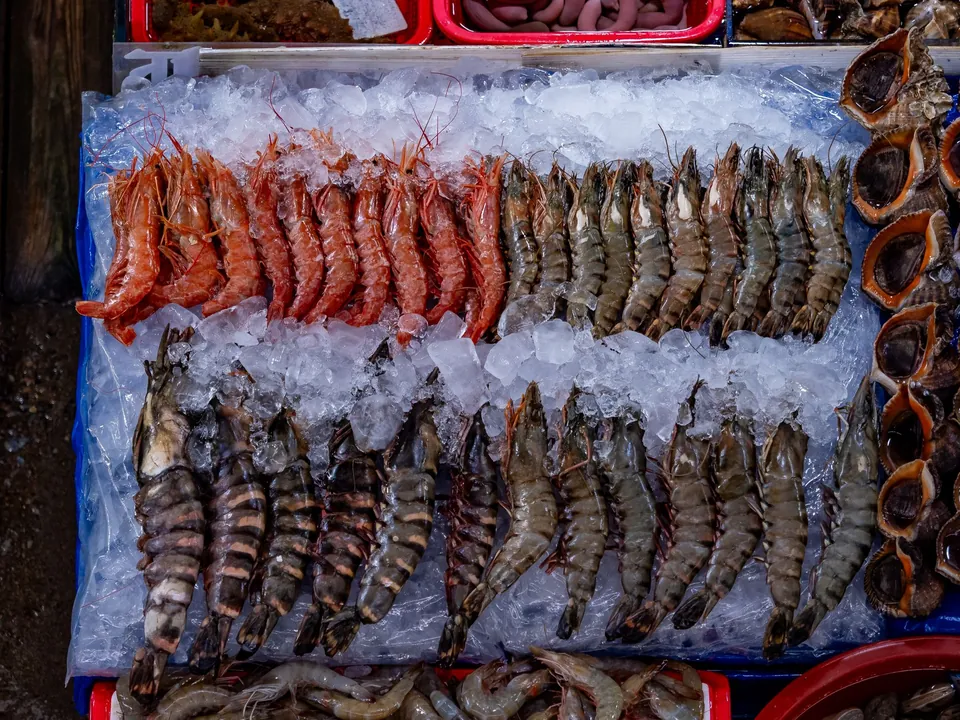
For most Muslims, yes: the Quran makes the food of the sea lawful, and the Maliki, Shafi'i and Hanbali schools allow shrimp, lobster and other seafood. The Hanafi school allows only fish, and differs on shrimp.