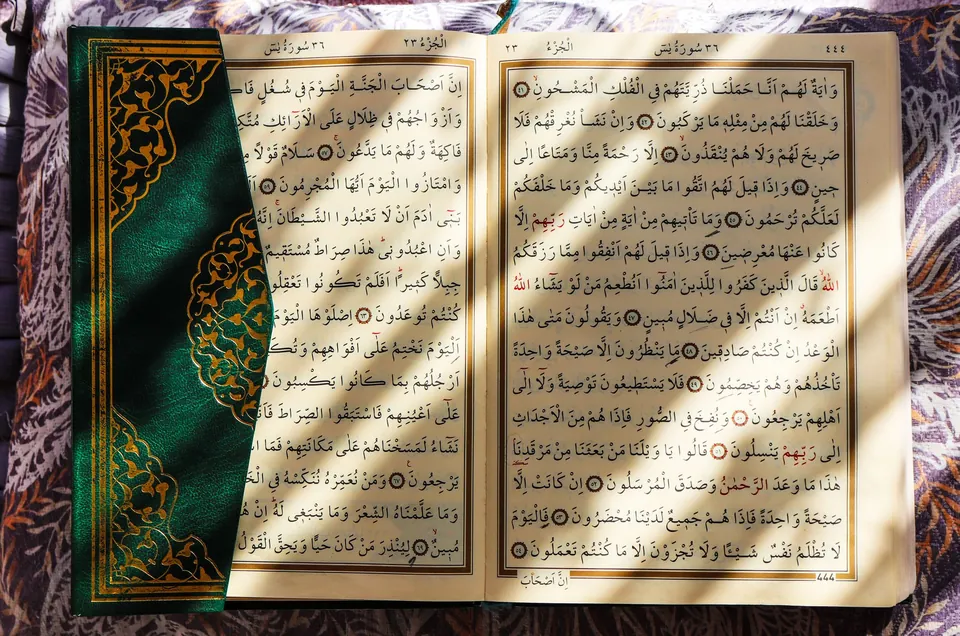
Juz Amma is the 30th and final part (juz) of the Quran. It holds the last 37 surahs, from Surah An-Naba (78) to Surah An-Nas (114), and it takes its name from its opening words, 'Amma yatasa'alun, "about what are they asking one another?" These are the shortest surahs in the Quran, so they're the ones most Muslims memorize first and recite in their daily prayers. Most were revealed in Makkah and talk about Allah, the Day of Judgment, and how we treat each other.
Below is a table of all 37, a suggested order for learning them for salah, and a short note on what each surah is about.
All 37 surahs at a glance
| No. | Surah | Meaning of the name | Ayat |
|---|---|---|---|
| 78 | An-Naba | The News | 40 |
| 79 | An-Nazi'at | Those Who Pull Out | 46 |
| 80 | 'Abasa | He Frowned | 42 |
| 81 | At-Takwir | The Folding Up | 29 |
| 82 | Al-Infitar | The Splitting | 19 |
| 83 | Al-Mutaffifin | Those Who Give Short Measure | 36 |
| 84 | Al-Inshiqaq | The Tearing Apart | 25 |
| 85 | Al-Buruj | The Great Stars | 22 |
| 86 | At-Tariq | The Night Visitor | 17 |
| 87 | Al-A'la | The Most High | 19 |
| 88 | Al-Ghashiyah | The Overwhelming Event | 26 |
| 89 | Al-Fajr | The Dawn | 30 |
| 90 | Al-Balad | The City | 20 |
| 91 | Ash-Shams | The Sun | 15 |
| 92 | Al-Layl | The Night | 21 |
| 93 | Ad-Duha | The Morning Brightness | 11 |
| 94 | Ash-Sharh | The Opening Up | 8 |
| 95 | At-Tin | The Fig | 8 |
| 96 | Al-'Alaq | The Clinging Clot | 19 |
| 97 | Al-Qadr | The Decree | 5 |
| 98 | Al-Bayyinah | The Clear Proof | 8 |
| 99 | Az-Zalzalah | The Earthquake | 8 |
| 100 | Al-'Adiyat | The Charging Horses | 11 |
| 101 | Al-Qari'ah | The Striking Calamity | 11 |
| 102 | At-Takathur | Competing for More | 8 |
| 103 | Al-'Asr | Time | 3 |
| 104 | Al-Humazah | The Slanderer | 9 |
| 105 | Al-Fil | The Elephant | 5 |
| 106 | Quraysh | Quraysh (the tribe) | 4 |
| 107 | Al-Ma'un | Small Kindnesses | 7 |
| 108 | Al-Kawthar | Abundance | 3 |
| 109 | Al-Kafirun | The Disbelievers | 6 |
| 110 | An-Nasr | The Help | 3 |
| 111 | Al-Masad | The Palm Fiber | 5 |
| 112 | Al-Ikhlas | Sincerity | 4 |
| 113 | Al-Falaq | The Daybreak | 5 |
| 114 | An-Nas | Mankind | 6 |
Translations of surah names vary a little between translators, so you might see Al-Qadr as "The Power" or Al-'Asr as "The Declining Day". They point to the same thing. You can read and listen to any of them in our online Quran.
Which to learn first for salah
In the first two rak'ahs of every prayer you recite Al-Fatihah and then some more Quran, and a short surah is the easiest way to do that. You don't need many. Two short surahs are enough to pray a full day of prayers correctly, and you can add more from there. This order starts with the shortest and most often heard:
- Al-Fatihah first. It isn't in Juz Amma, but no prayer is complete without it.
- Al-Ikhlas (112), four short ayat about who Allah is.
- Al-Kawthar (108), the shortest surah in the Quran.
- Al-'Asr (103), three ayat.
- An-Nasr (110) and Al-Kafirun (109).
- Al-Falaq (113) and An-Nas (114), the two surahs of seeking refuge.
- Quraysh, Al-Fil, Al-Ma'un and Al-Masad (105 to 107, and 111).
- Then work backwards: At-Takathur, Al-Qari'ah, Az-Zalzalah, and on toward An-Naba as your memory grows.
We go into how to memorize these, and how to use them in prayer, in the first surahs to learn for salah.
What each surah is about
The last twelve: 103 to 114
Al-'Asr swears by time and says all people are in loss, except those who believe, do good, and urge each other to truth and patience. Three ayat that sum up a whole way of life.
Al-Humazah warns the backbiter who piles up money and thinks it will make him last forever. Al-Fil recalls the army that marched on the Ka'bah with an elephant and was destroyed by flocks of birds, in the year the Prophet ﷺ was born. Quraysh follows on: it reminds that tribe of their safe winter and summer trade caravans, and tells them to worship the Lord of the House who fed them and kept them safe.
Al-Ma'un describes someone who denies the Judgment: he pushes the orphan away, doesn't encourage feeding the poor, is careless about his prayers, shows off, and won't even lend small everyday things. Al-Kawthar tells the Prophet ﷺ he's been given abundant good, so pray and sacrifice for his Lord.
Al-Kafirun draws a clear line in worship: "For you is your religion, and for me is my religion." An-Nasr speaks of Allah's help and victory, people entering Islam in crowds, and the response to that: glorify Allah and seek His forgiveness. Al-Masad is about Abu Lahab, the Prophet's uncle who opposed him, and his wife.
Al-Ikhlas describes Allah as One, the one everything depends on, who neither has children nor was born, with nothing equal to Him. We've written a full page on the meaning of Surah Al-Ikhlas. Al-Falaq and An-Nas teach you to seek refuge in Allah, first from the evils outside you (darkness, magic, envy), then from the whisperer who works on the heart.
The middle surahs: 93 to 102
Ad-Duha came to comfort the Prophet ﷺ: your Lord hasn't left you, and what comes later is better for you. It ends by telling him to care for the orphan and the one who asks. Ash-Sharh follows it with the famous promise, said twice, that with hardship comes ease.
At-Tin says people were created in the best form and can still fall to the lowest, except those who believe and do good. Al-'Alaq opens with the very first words revealed to the Prophet ﷺ: "Read, in the name of your Lord who created." Al-Qadr is about the night the Quran was sent down, better than a thousand months.
Al-Bayyinah talks about the clear proof that came to the People of the Book and the idolaters. Az-Zalzalah describes the earth shaking and telling its news, and promises that even an atom's weight of good or evil will be seen. Al-'Adiyat swears by charging war horses and then says plainly that people are ungrateful to their Lord. Al-Qari'ah pictures people like scattered moths on the Day, with the scales heavy or light. At-Takathur warns that competing for more distracts people until they reach their graves.
The longer opening surahs: 78 to 92
An-Naba answers the question in its first line: the "great news" is the Day of Judgment. It points to the earth spread out, the mountains like pegs, night and day, and then describes Hell and Paradise. An-Nazi'at opens with the angels who take souls, tells the story of Musa and Pharaoh, and asks people to think about the Hour.
'Abasa begins with a blind man who came to learn while the Prophet ﷺ was busy calling Quraysh's leaders to Islam, and what Allah revealed about that moment. At-Takwir, Al-Infitar and Al-Inshiqaq describe the end of the world: the sun folded up, the sky split open, the record of deeds handed over. Al-Mutaffifin starts with traders who cheat on weights and measures, then contrasts the record of the wicked with the record of the righteous.
Al-Buruj tells of believers who were thrown into a burning trench for their faith. At-Tariq says every soul has a guardian over it. Al-A'la tells us to glorify our Lord and reminds us that the Hereafter is better and lasts. Al-Ghashiyah asks us to look at the camel, the sky, the mountains and the earth.
Al-Fajr recalls nations that were destroyed, 'Ad, Thamud and Pharaoh, and ends with a call to the soul at rest to return to its Lord, pleased and pleasing. Al-Balad calls freeing a slave and feeding the hungry orphan or the poor the steep path worth climbing. Ash-Shams says that whoever purifies the soul succeeds. Al-Layl contrasts the one who gives and fears Allah with the one who holds back.
How to start learning them
Pick one surah. Listen to it a few times, learn its meaning first, then memorize one ayah at a time, and recite it in your next prayer the same day. Knowing what you're saying makes the words much easier to remember, and it changes how the prayer feels. A week on each short surah is a perfectly good pace.
Our free course Short Surahs for Salah teaches the Quls and Ayat al-Kursi line by line, with the meaning and the sounds that trip beginners up. If you haven't learned Al-Fatihah yet, start with Al-Fatihah Line by Line, or read the meaning of Surah Al-Fatihah. When you're ready to go further, the Understanding the Quran learning path puts the courses in order.
Questions people ask
What is Juz Amma?
The 30th and last of the 30 roughly equal parts of the Quran. It contains 37 short surahs, from An-Naba (78) to An-Nas (114).
Why is it called Juz Amma?
It's named after its first word, 'amma ("about what"), from the opening of Surah An-Naba: "About what are they asking one another?"
How many surahs are in Juz 30?
37 surahs: numbers 78 to 114.
What are the shortest surahs in the Quran?
Al-Kawthar (108), Al-'Asr (103) and An-Nasr (110), with three ayat each. Al-Kawthar is the shortest by number of words.
Which short surahs should I learn first for salah?
After Al-Fatihah, start with Al-Ikhlas, Al-Kawthar and Al-'Asr, then An-Nasr, Al-Kafirun, Al-Falaq and An-Nas.
How long does it take to memorize Juz Amma?
It depends on your pace and how much Arabic you know. Many beginners learn the last ten surahs over a few months by learning a little each day and reciting it in their prayers.